
A Historic Building Anchored in the Caithness Landscape
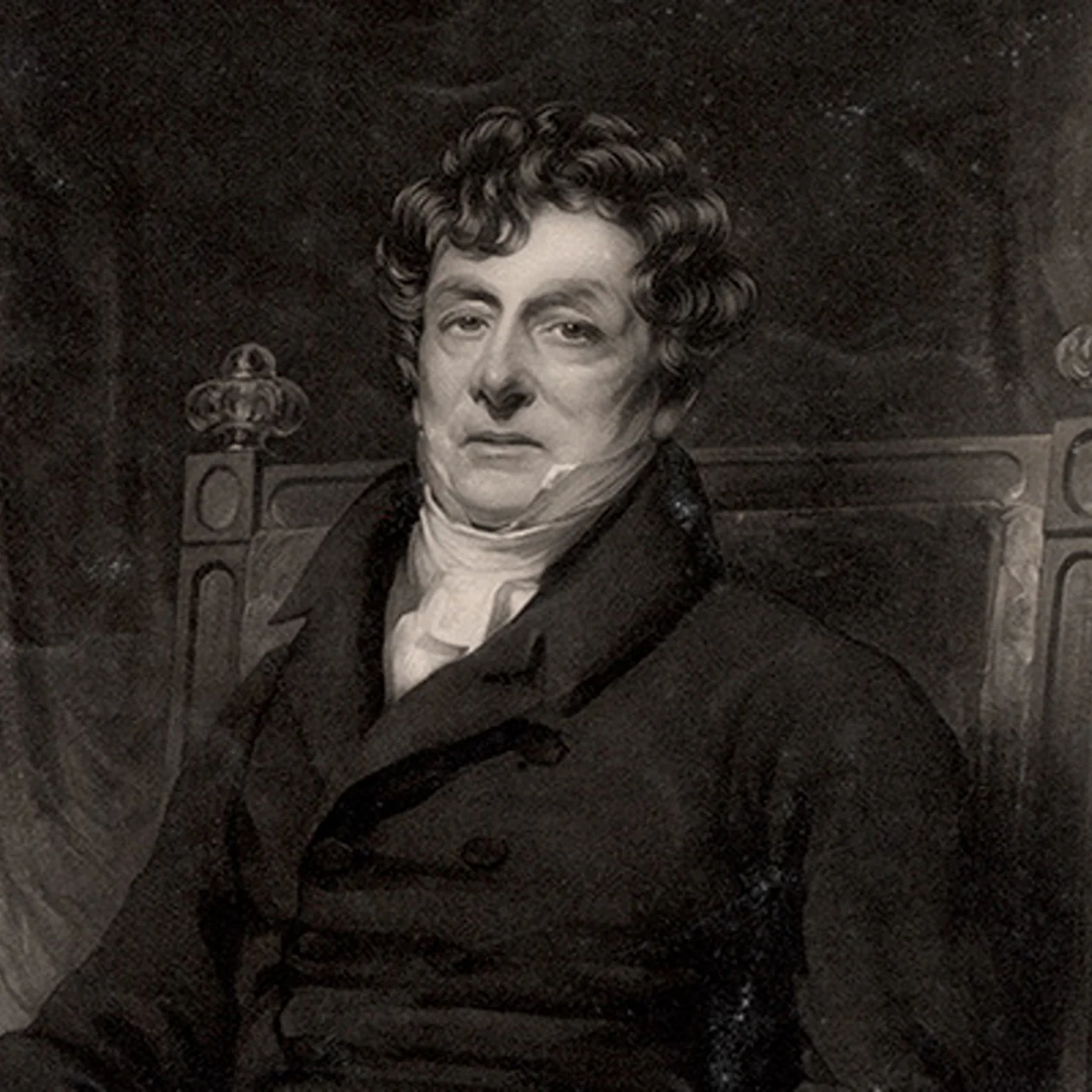
Castletown Mill sits at the heart of a region steeped in heritage. Located on the northernmost coast of mainland Scotland, Castletown is famous for its flagstone industry. The mill was once part of Castlehill Estate, developed by James Traill (1758–1843)—Sheriff Depute of Caithness—and his wife Lady Janet Sinclair, daughter of William Sinclair of Ratter, Earl of Caithness. Traill was a forward-thinking entrepreneur, especially known for building the flagstone trade.
Flagstones, Mills & Innovation
Flagstone quarrying in Caithness has been around since the Neolithic (~3800–2500 BC), prized for its durability and split-ease. In the 19th century, Caithness flagstone gained fame across Britain—used in pavements, buildings and railway stations.
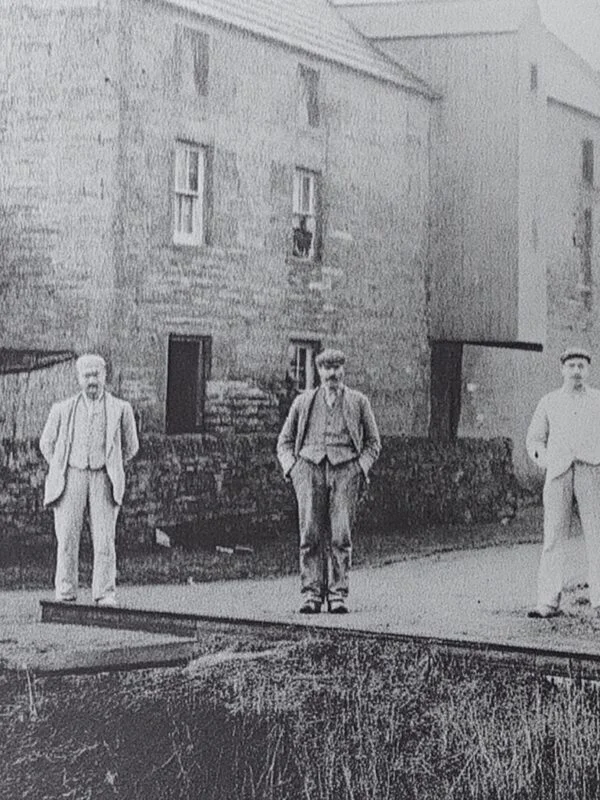
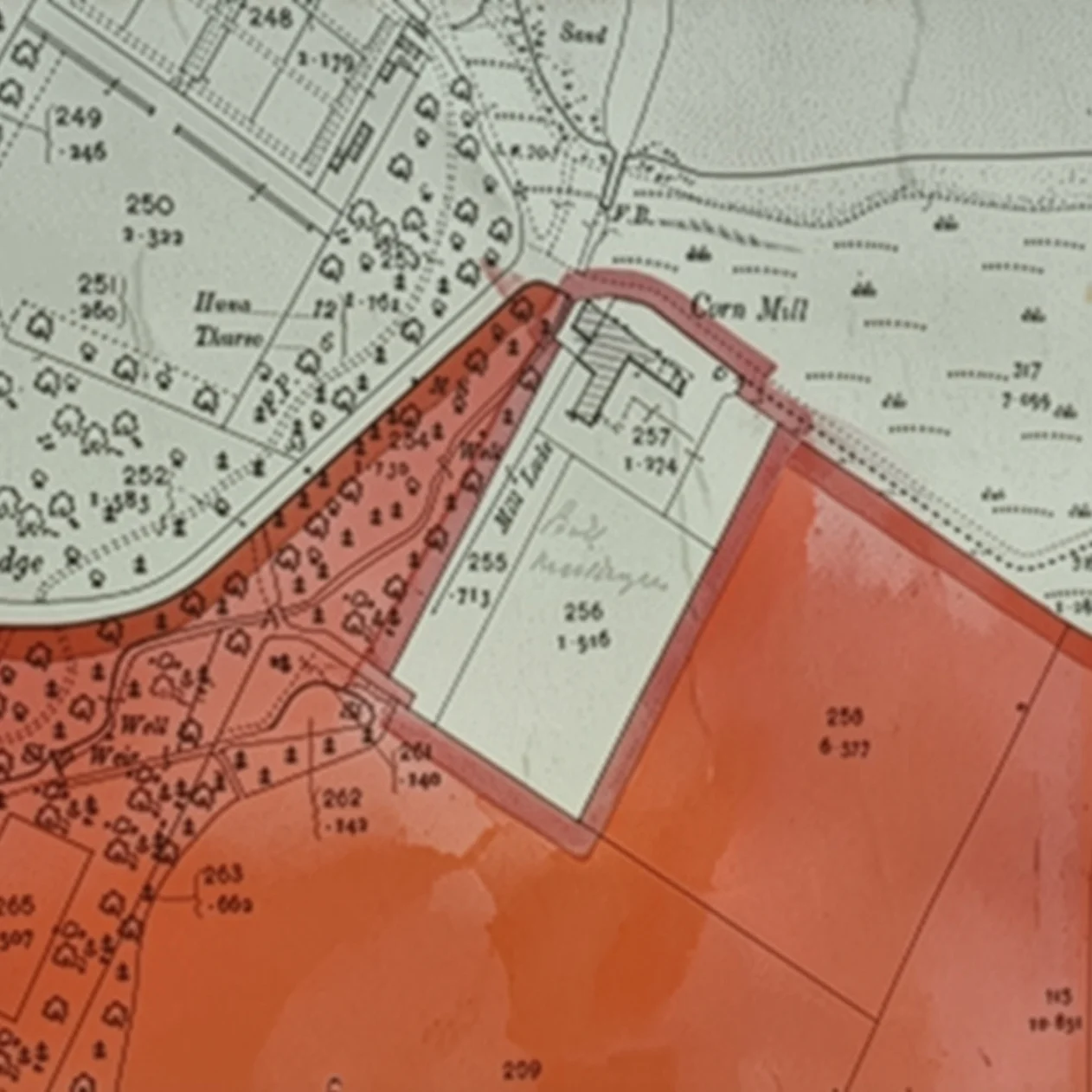
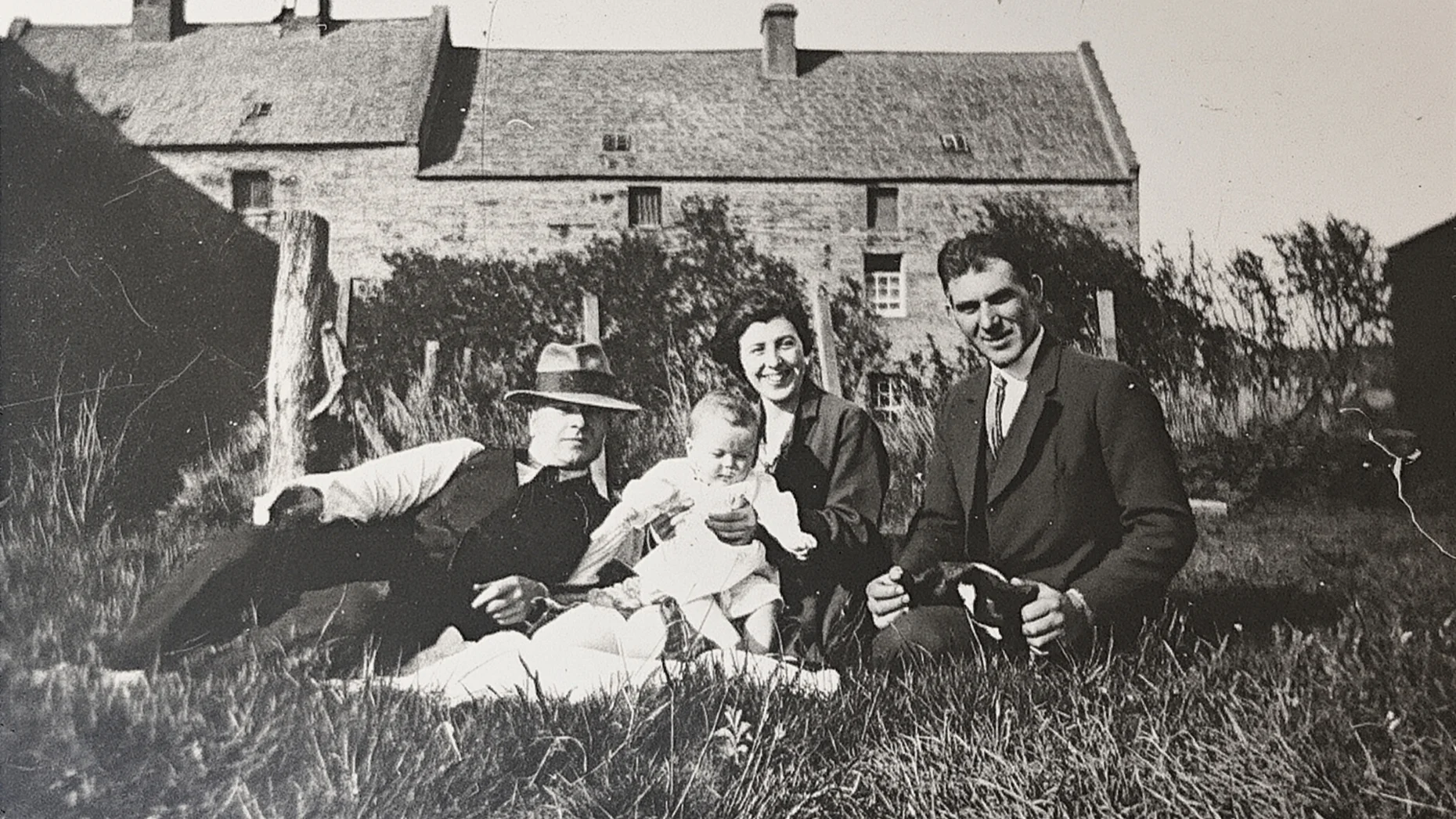
James Traill, keen on agricultural improvement, recognised that increased yield alone was not enough without processing capacity. By 1793, he established multiple mills (barley, corn, lint) and a threshing machine. Around 1818, he built the original north-south wing of Castletown Mill, complete with a central double kiln, grain stores, hoists, and housing for the miller. Its water wheel was powered by water diverted from the nearby Stannergill Burn, using a mill pond and lade channel.


From Flour to Fading Years
For over a century, Castletown Mill ground grain into flour, supporting the estate and local industry. In 1913, Benjamin J. Calder (1853-1921), then tenant miller, bought Castletown Mill for £550. The Calder family kept it running until the 1930s when financial difficulties and changing times made it hard to sustain. Ownership then passed to William Mackenzie, who removed the kiln floor, firebox, and water wheel, among other changes. During World War II, the mill served various purposes—RAF storehouse, sand processor for nearby bases, and more. After the war it largely lay idle, with only parts used for agricultural storage.

A New Lease of Life
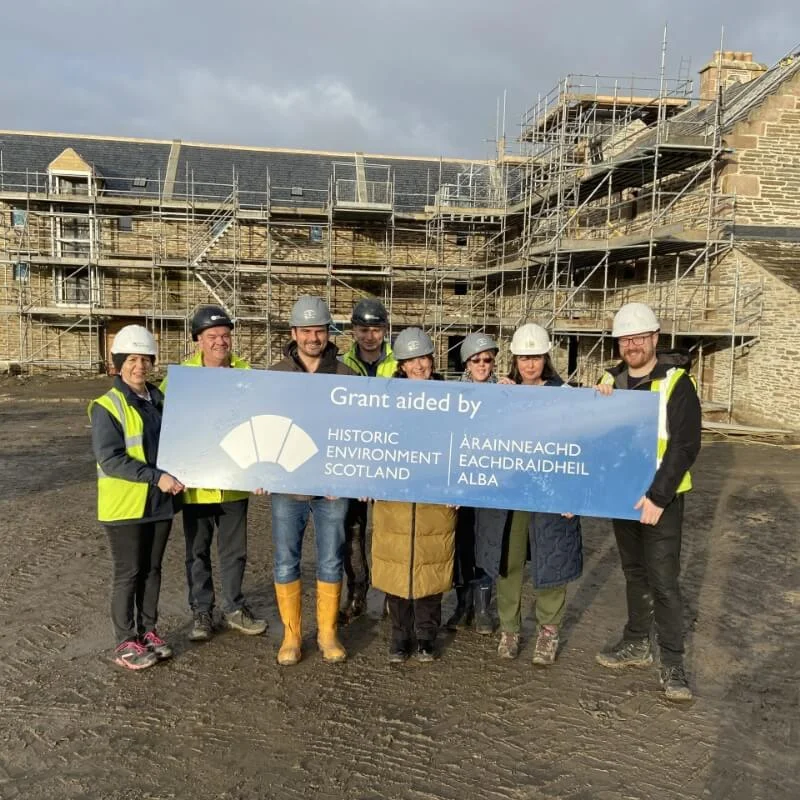
After 32 years of dereliction, in November 2020, Dunnet Bay Distillers Ltd acquired Castletown Mill. With grant support from Historic Environment Scotland and planning approval from Highland Council, the project to conserve and revitalise this Grade B listed building is underway.
Guided by a thorough Conservation Statement, architectural features identified as historically significant are being preserved; unsound or detrimental elements will be sympathetically repaired or replaced. We are working with Audrey Young and Alice Calder Hill (a Calder family descendant) to ensure the mill’s story is told authentically.
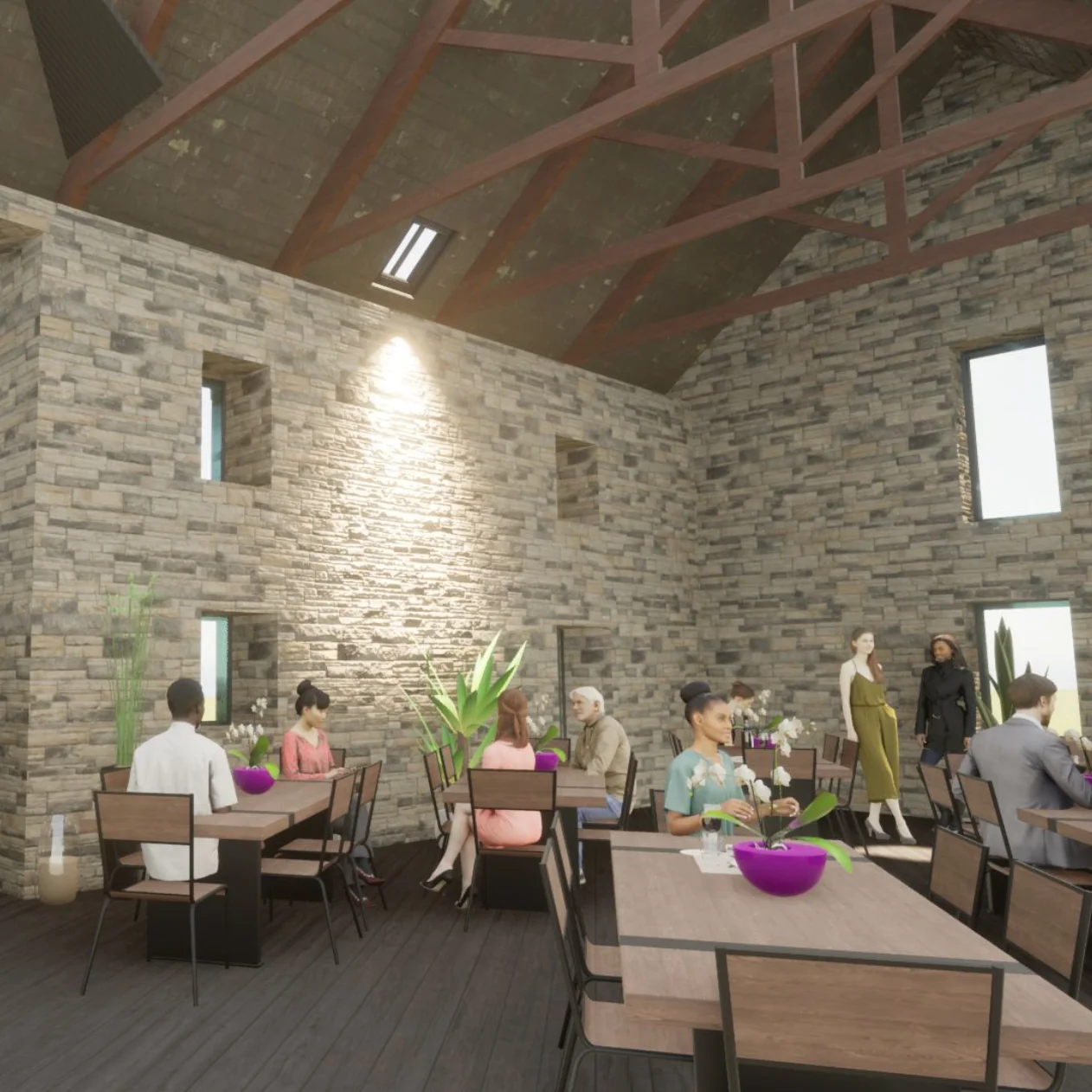
A Mill Reborn: Malting, Whisky & Visitor Experience
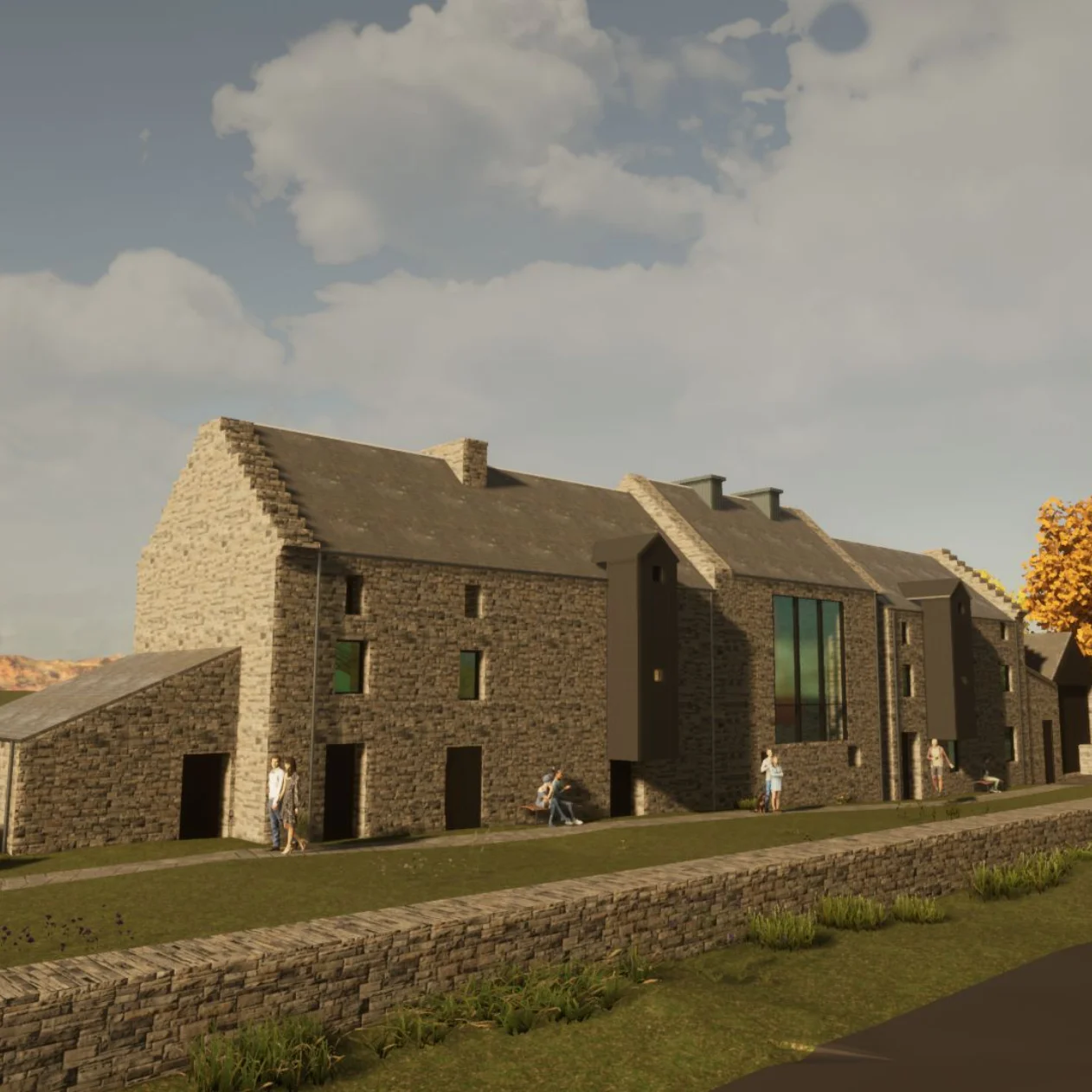
Castletown Mill will reopen to the public in Autumn 2025, transformed into a state-of-the-art craft whisky distillery and world-class visitor destination. The revitalised space will include:
- Guided tours, masterclasses, tastings, and living history workshops
- A permanent exhibition celebrating the mill’s history, the stories of its people, and the making of Stannergill Whisky
- Annual programmes of special exhibitions, events, and community-led heritage projects
Join the 1818 Society
Receive a numbered bottle of our inaugural release, plus early access and exclusive invitations.
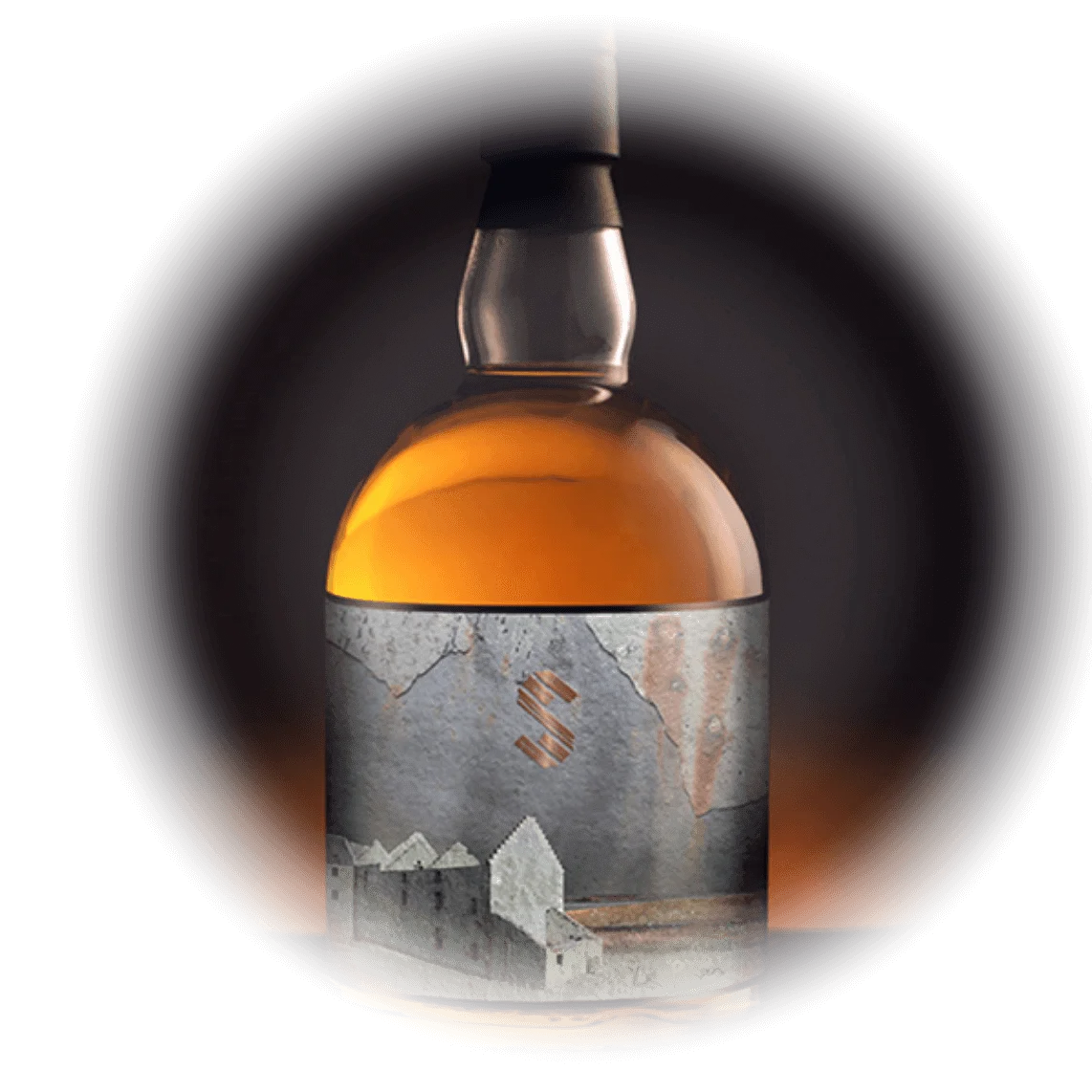
The Saga Series
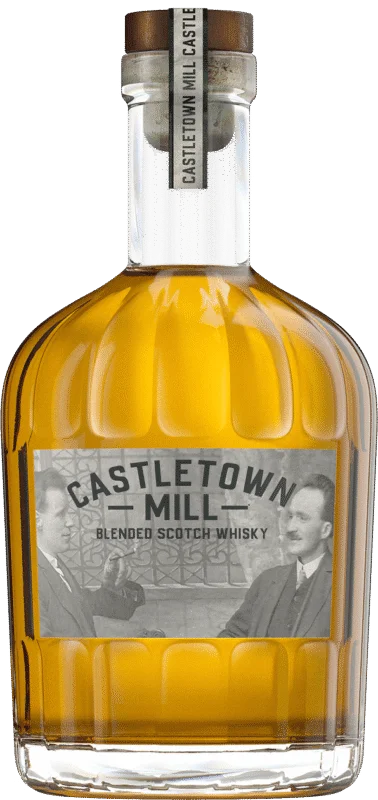
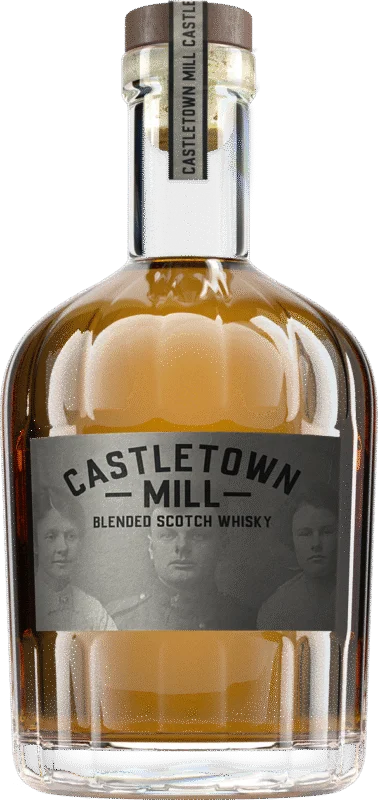
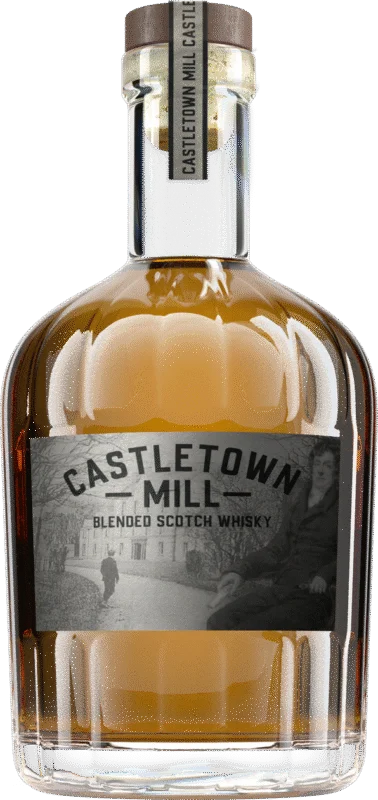
A limited-edition series of ten collectable Scotch Whisky blends raising funds for the revitalisation of Castletown Mill. Each one celebrates our heritage – and helps preserve it.